Why Inventory Automation Is the Future for D2C Brands
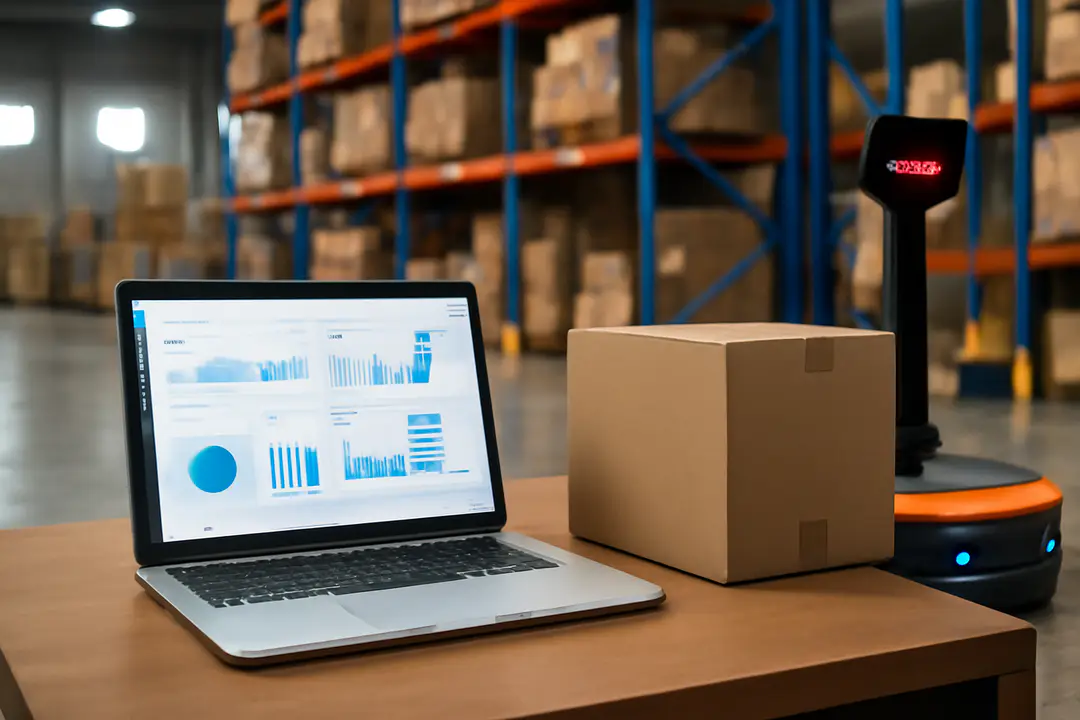
Managing stock well can make or break a direct-to-consumer business today. Yet too many brands focus on order volume and forget the hidden power of real-time inventory sync. That gap can lead to stockouts, overstocks, and frustrated customers. How can growing D2C brands avoid these headaches without swelling their headcount?
The key lies in understanding how automated inventory systems give you clear, up-to-the-minute visibility across every channel. When you tap into that data, you reduce errors, speed up fulfillment, and make smarter buying decisions. That know-how prevents nasty surprises and keeps your brand agile and profitable.
Real-Time Stock Visibility
Real-time stock visibility means you know exactly what’s on hand at any moment. Instead of waiting for manual counts or monthly reports, your system updates quantities as sales and returns happen. You can see which SKUs are moving fast, which need reordering, and which are gathering dust in the warehouse.

To set this up, connect each sales channel—your website, marketplaces, and even pop-up shops—to a centralized dashboard. Enable automatic alerts for low stock and schedule brief cycle counts once a week. Use mobile apps so warehouse staff can scan items on the go and verify on-screen counts.
Practical tip: Set reorder triggers at key thresholds—say 20 units—and buffer that with safety stock for your top five SKUs. That way you never miss a sale during a sudden spike. Bonus: real-time data also helps marketing teams plan promotions around available inventory.
Brands that adopt live tracking report up to a 30% drop in oversold orders and a 25% boost in fulfilled shipments. By staying on top of every transaction, you build trust, reduce expedited shipping costs, and keep customers coming back.
Demand Forecast Accuracy
Accurate demand forecasting helps you stock just the right amount. When automation tools analyze past sales patterns, seasonality, and promotions, they create more reliable projections than spreadsheets ever could. You learn which products will peak and which will flatten out.
Start by feeding your system at least six months of sales history. Tag special events—holiday sales, influencer promotions, clearance—and watch how the algorithms adjust their predictions. Many brands find that combining human insight with technology avoids overreliance on one data source.
You can also explore advanced forecasting powered by AI, which factors in external trends like search interest or weather changes. That level of analysis drives down stock‐out incidents by up to 40%.
Practical tip: Review forecasts monthly and adjust safety stock levels based on lead times from suppliers. Over time, your system “learns” from adjustments you make, refining its own predictions. This continuous loop keeps inventory lean yet responsive.
Order Sync and Fulfillment
When orders flood in from your website, Amazon, and brick-and-mortar pop-ups, manual processing can’t keep up. Automated tools sync all incoming orders in one interface and send confirmations to customers in seconds. That cuts errors and speeds shipping.
Integrate your inventory platform with shipping carriers so labels print automatically when parcels are packed. Set up workflows that route orders by weight or destination to the right warehouse or fulfillment partner. This avoids mix-ups and extra handling fees.
Solutions such as EGERP Panipat offer automated stock tracking, order syncing, and real-time analytics. You can tie in robust warehouse software to scan items, log pick-packs, and update inventory counts instantly.
Practical tip: Create exception alerts for high-value orders or international shipments. That way, your team can review customs documentation before a costly delay occurs. Clear workflows and automation ensure orders flow from click to doorstep without a hitch.
Cost Savings and ROI
Automating inventory yields rapid returns on investment. You spend less on emergency stock runs, reduce wasted labor, and free up cash that would otherwise tie up in excess goods. Here’s where the savings add up:

- Labor costs: 30% reduction in manual counting and order entry.
- Shrinkage: 20% fewer lost or misplaced items.
- Dead stock: 25% lower write-offs from obsolete inventory.
- Expedited fees: 40% drop in rush shipments to restock.
- Order errors: 50% fewer customer returns for wrong items.
When you factor in software subscription fees—often under 1% of revenue—automated inventory pays for itself within a few months. Many D2C brands report ROI break-even in 90 days or less.
Practical tip: Track your cycle count time and shipping error metrics before and after launch. Compare costs saved month to month to validate the tool’s impact on your bottom line.
Integration with Supply Chain
Your inventory system isn’t an island. It needs to connect to suppliers, vendors, and logistics partners. Automated purchase order (PO) generation can route new orders to suppliers the moment stock dips below set levels.
Use APIs or EDI connections to send POs directly into vendor systems without manual input. Receive advanced ship notices to prepare for inbound shipments. This reduces lead-time surprises and helps your team plan capacity.
Practical tip: Establish weekly vendor reconciliations. Have your system flag any discrepancies between expected and actual delivery quantities. That way you catch short-ships or overages early and maintain strong supplier relationships.
With integrated supply-chain automation, some brands cut their standard lead times by 15% and reduce emergency freight costs by 35%. It all adds to a smoother workflow and healthier cash flow.
Choosing the Right Tool
Not all inventory automation platforms are created equal. When you evaluate options, compare core features, cost, and ease of use. Here’s a simple feature comparison of three popular tools:
| Tool | Real-Time Tracking | Forecasting | Integrations | Analytics | Monthly Price |
|---|---|---|---|---|---|
| EGERP Panipat | Yes | Basic | 20+ Channels | Core Reports | $150 |
| Tool B | Yes | Advanced | 10+ Channels | Custom Dashboards | $200 |
| Tool C | Limited | None | 5 Channels | Basic | $80 |
Practical tip: Start with a free trial or pilot on low-volume SKUs. Check how easy it is to onboard your team, integrate sales channels, and generate reports. A smooth user experience drives faster adoption.
Conclusion
Inventory automation is more than a convenience—it’s a strategic advantage for D2C brands competing in a fast-moving market. By embracing real-time visibility, accurate forecasting, and seamless order sync, you reduce costs, delight customers, and free up your team for higher-value work.
Integrations with suppliers and carriers keep your supply chain agile, while careful tool selection ensures you get the features you need at a price you can scale. In an era where speed and accuracy define customer satisfaction, automated inventory management is the connective tissue that holds your operations together.
Take action now: assess your current process, pilot a platform, and measure key metrics. With each cycle count automated and every order synced, you’ll build a foundation for sustainable growth. Your brand’s future depends on how well you manage stock today.