Ftasiaeconomy Financial Trend: FTAs Transform Asia

According to the Asia-Pacific Research and Training Network on Trade, Asia-Pacific countries had signed 189 free trade agreements by the end of 2019, the highest number of any region (ARTNeT). These agreements have reshaped supply chains, spurred cross-border investments, and redefined how capital flows across national borders in Asia. As markets unify under shared rules, new financial instruments emerge to support regional trade, from digital payment systems to green bonds. Policymakers and investors alike watch these shifts closely as they map the future of Asia’s interconnected economies.
For business leaders, economists, and investors tracking Asia’s evolving trade landscape, understanding the Ftasiaeconomy financial trend is crucial. This article explores how FTAs in Asia drive market integration, digital finance adoption, investment opportunities, and policy challenges. Each section offers practical insights, data points, and tips to navigate this dynamic environment. By the end, you will see how regional agreements shape finance and where the next opportunities lie. The Ftasiaeconomy financial trend shows that Asia’s free trade deals are driving deeper financial integration and growth across the region.
What Is Ftasiaeconomy
The term “Ftasiaeconomy” refers to the financial dynamics that arise when Free Trade Agreements (FTAs) shape Asia’s markets. Beyond tariff cuts, FTAs harmonize regulations, open service sectors, and protect investments.
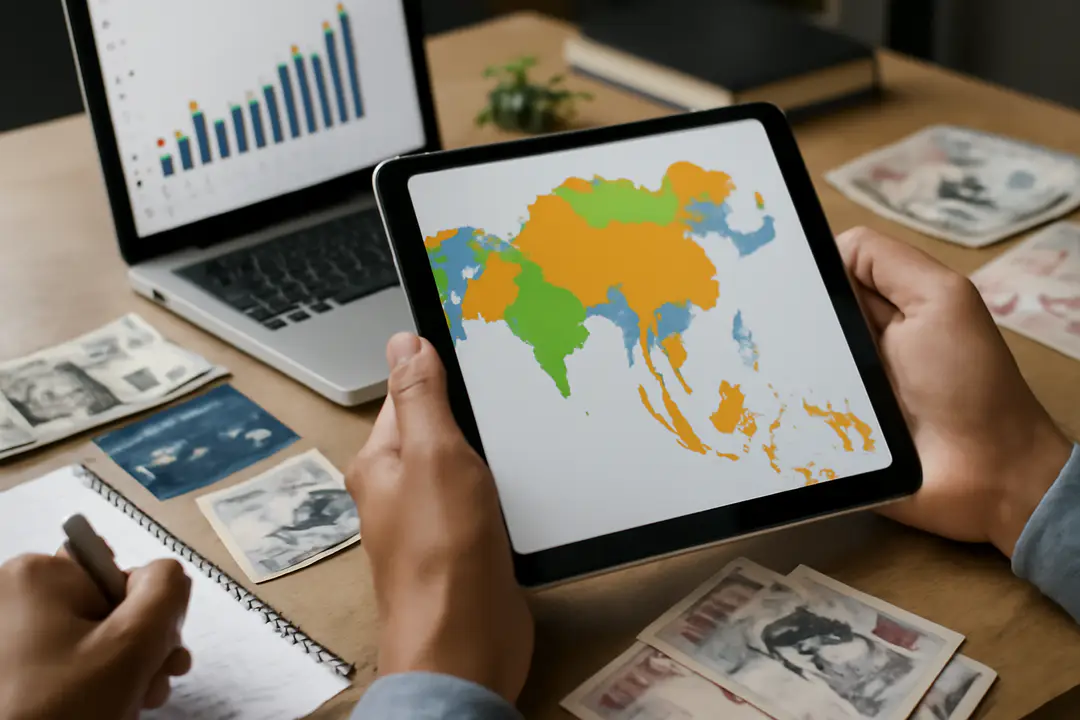
These deals cover goods, services, e-commerce, and intellectual property. By setting common standards, they reduce compliance costs and risk for firms operating in multiple countries. As a result, banks and fintech companies design new products—such as cross-border payment solutions—to match these unified rules.
For example, the Comprehensive and Progressive Agreement for Trans-Pacific Partnership (CPTPP) fosters fintech cooperation among member states, allowing digital wallet providers to expand without building separate licenses in each country. This trend exemplifies how finance adapts around FTAs.
Tip: Track major FTAs in negotiation—like the Regional Comprehensive Economic Partnership (RCEP)—to anticipate shifts in capital flows. Use policy briefings from institutions like ADB or WTO to stay updated on treaty timelines and sectoral commitments.
Market Integration Boost
As FTAs lower trade barriers, financial markets across Asia interlink more tightly. Equity indices, bond markets, and currency swaps move in tandem when tariffs drop and cross-border trade rises. Investors benefit from diversified portfolios that span multiple countries with similar regulatory frameworks.
Practical data: After RCEP’s entry into force in January 2022, intra-regional trade grew by 2.5% in the first half of the year. That translated into higher bond issuance by regional governments, as lower trade risk encouraged borrowing for infrastructure projects.
Businesses can tap this by issuing “dual-listed” shares or bonds in partner markets. For instance, a Thai exporter might list on both the Thai and Singapore exchanges to access deeper liquidity pools.
Tip: Compare yields and currency risks across member states before investing. Use online tools to model currency-hedged returns and always check local compliance rules, which often align under FTAs but may differ in implementation.
Digital Finance Growth
FTAs increasingly include digital chapters that set standards for data flows, electronic payments, and cybersecurity. These provisions reduce uncertainty for fintech firms and banks exploring cross-border digital services. As a result, mobile wallets, blockchain payment rails, and AI-driven credit scoring expand rapidly.
For small and medium enterprises (SMEs), this means easier access to trade finance tools. Platforms integrate AI-powered credit scoring and payment systems to improve efficiency and accessibility for SMEs, much like how using AI to improve daily productivity tools streamline tasks in offices around the world.
Data point: In 2023, digital payments in Southeast Asia reached $1.2 trillion, driven by interoperable systems in FTA member countries that allow faster settlement and lower transaction fees.
Tip: Look for fintech startups offering cross-border wallet features that comply with FTA digital rules. These firms often partner with local banks to navigate licensing landscapes seamlessly.
Investor Opportunities Arise
Free trade pacts not only boost trade but also include clauses that protect foreign direct investment (FDI). These typically guarantee non-discriminatory treatment, allow dispute resolution under international arbitration, and ensure repatriation of profits.

Such safeguards encourage capital to flow into infrastructure, energy, and technology projects. For example, the ASEAN Comprehensive Investment Agreement has led to over $60 billion in FDI into member states since 2012.
Private equity and sovereign wealth funds eye sectors opened by FTAs, from digital health to renewable energy. Knowing which industries gain preferential access helps investors allocate capital effectively.
Tip: Review the investment chapters of each FTA for sectoral reservations—areas where local governments retain control or require joint ventures. That way, you can anticipate compliance hurdles.
Policy Challenges Ahead
Despite benefits, FTAs face hurdles in financial harmonization. Regulatory standards may align on paper but diverge in practice due to local enforcement differences. Banks must adapt to varied compliance checks for anti-money laundering and data privacy.
Automation of compliance workflows helps here. By deploying rule-based systems, firms reduce manual review times and human error—much like the impact of automation on modern businesses shows in efficiency gains across industries.
Another challenge is balancing liberalization with financial stability. Rapid capital inflows can fuel asset bubbles, so regulators often impose macro-prudential measures. Navigating these requires real-time data and strong local partnerships.
Tip: Build a regulatory map that tracks both FTA commitments and domestic financial safeguards. Use data feeds to monitor capital controls, reserve requirements, and stress-test outcomes.
Tech and Innovation
Technology underpins the Ftasiaeconomy trend. Blockchain platforms enable real-time trade finance with immutable ledgers, while AI models detect fraud and assess credit risk in seconds. Cloud infrastructures host pan-regional banking apps with consistent uptime.
Communication improvements, such as automated reporting and voice-based alerts, further streamline operations, similar to how businesses benefit from text-to-speech solutions in customer service. As service sectors open under FTAs, these innovations become exportable assets across member nations.
Tip: Pilot new tech in a smaller FTA market where regulatory sandboxes exist. Successful proofs of concept often speed up approvals in larger economies within the agreement network.
Looking Forward
The Ftasiaeconomy financial trend is set to accelerate as Asia pursues deeper integration. Upcoming deals, such as potential FTAs with Europe or the Americas, promise to widen the network and raise the stakes for finance.
Expect more digital rule-making on data use, green finance standards, and fintech regulation. Investors should watch how central banks and watchdogs adjust to these frameworks. Companies that adapt quickly will gain first-mover advantages.
Tip: Stay active in regional policy forums and industry associations. Early insights into negotiation drafts can help you shape strategies and seize emerging opportunities before rivals do.
Conclusion
The Ftasiaeconomy financial trend reveals how Asia’s tapestry of free trade agreements drives a richer, more interconnected financial ecosystem. From market integration and digital finance to new investment streams, each FTA brings fresh rules and opportunities.
While challenges remain in regulatory alignment and financial stability, technology and policy innovation offer tools to manage risk effectively. For businesses, staying informed on treaty developments and leveraging local partnerships will prove essential.
Ultimately, Asia’s FTAs are more than trade pacts; they are blueprints for regional finance. By understanding their clauses and tech enablers, you can position your firm or portfolio to tap into the next wave of growth. Dive into treaty texts, monitor digital chapters, and align your strategies with the evolving Ftasiaeconomy.