Ways Businesses Benefit from Text-to-Speech Solutions

According to Grand View Research, the global text-to-speech market size was valued at USD 1.76 billion in 2020. Businesses of all sizes are exploring how spoken audio can deepen customer connections, boost productivity, and meet accessibility standards. Text-to-speech tools now support multiple languages, lifelike voices, and seamless integration with marketing and support platforms. As AI voices evolve, companies can scale personalized audio experiences without hiring voice actors. Text-to-speech solutions empower businesses to enhance accessibility, efficiency, and customer engagement.
In this article, we’ll unpack how organizations leverage text-to-speech across five key areas. You’ll see practical tips, real-world data, and clear steps to implement or improve your audio strategy. Whether you’re in customer service, content marketing, or operations, these insights will help you harness the full power of TTS technology.
Improving accessibility
Text-to-speech plays a crucial role in making digital content accessible to users with visual impairments or reading difficulties. By providing an audible version of web pages, documents, or apps, businesses ensure compliance with regulations like the Americans with Disabilities Act (ADA). ADA compliance not only reduces legal risk but also widens your audience. According to the World Health Organization, over 2.2 billion people have vision impairment worldwide.

Practical tips to boost accessibility with TTS:
- Embed audio players next to written content to let users switch seamlessly.
- Offer voice gender and speed controls for personalized listening.
- Test across multiple devices to ensure playback consistency.
Staying current with the broader text-to-speech revolution can further refine your strategy. For example, you can explore how advances in voice cloning and neural TTS engines help deliver more natural tones and intonations. A deeper look at AI-driven accessibility features shows how easy it is to integrate TTS into existing workflows.
Boosting customer support
Integrating text-to-speech into customer service channels can transform call centers and chatbots. Instead of generic robotic prompts, lifelike voices guide users through menus or read FAQs aloud. This human-like interaction increases user satisfaction and reduces frustration. It also frees support reps to handle complex issues, lowering average handling time by up to 20% in some studies.
Here’s a simple three-step playbook to add TTS to your support stack:
- Choose a TTS API that supports your preferred languages and voices.
- Map common support scripts to dynamic text templates (e.g., account balance, order status).
- Embed the audio generator into your IVR or chatbot platform for real-time responses.
By following these steps, you create a consistent and efficient CX. As voice interactions grow, you’ll also gather new data on user intent and sentiment. Those insights feed back into improving your knowledge base and automating more complex tasks. For engaging audio responses in video FAQs or tutorials, check out this guide on creating engaging TTS videos.
Streamlining content creation
For content teams, TTS cuts production time and cost. Instead of hiring voice talent or scheduling studio sessions, you generate high-quality narration in minutes. Podcasts, e-learning modules, and product demos can be updated on the fly whenever scripts change. This agility lets marketing and training groups keep materials fresh and relevant.
Three key ways TTS streamlines creation:
- Automate audio drafts for review, speeding up approval cycles.
- Localize content by swapping text inputs for different languages and dialects.
- Repurpose written blog posts or whitepapers into audio formats to reach new audiences.
Many teams combine TTS with editing tools that adjust pacing, pauses, and emphasis. You can even use AI to detect overused phrases and optimize sentence structures for spoken delivery. Content creators looking for robust toolsets will find a helpful roundup of top solutions in this overview of best text-to-speech tools. With these platforms, you maintain consistent voice branding and reduce manual work by up to 50%.
Enhancing marketing campaigns
Audio content is gaining traction in digital ads, social media, and email. Voiceovers personalized to user data—like including their name—dramatically boost click-through rates. Research shows that audio ads on streaming platforms achieve up to 40% higher recall compared to text ads. TTS enables marketers to A/B test different voice styles and messages at scale.
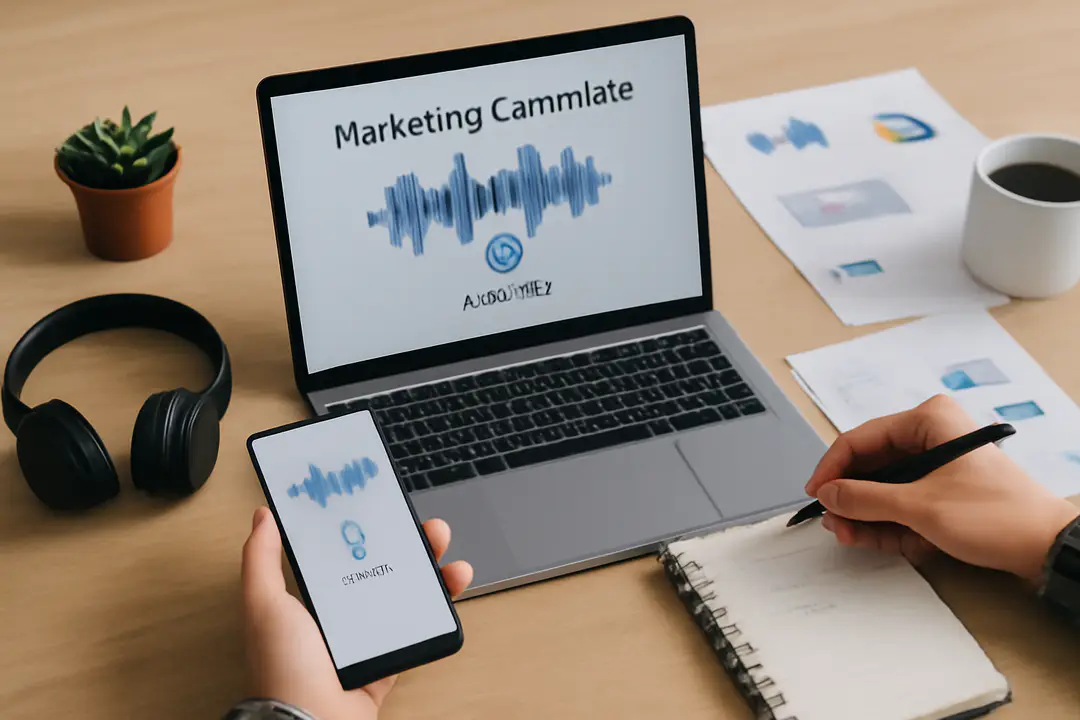
To run a successful TTS-powered campaign:
- Define your audience segments and key message points.
- Select voices that align with your brand personality—professional, friendly, or authoritative.
- Use dynamic insertion to tailor scripts based on user location, preferences, or behavior.
By iterating on voice tone and pacing, you sharpen your campaign’s impact over time. TTS also supports creating bite-sized audio snippets for Stories or short ads where visual attention is low. As you refine, track metrics like engagement time and conversion rate to measure ROI. Integrating these practices gives you a competitive edge in crowded digital channels.
Reducing costs and time
Manual voice production—from hiring talent to editing—can cost thousands of dollars per hour of audio. Text-to-speech slashes those expenses while speeding up delivery. For ongoing projects, subscription-based TTS platforms often offer volume discounts, reducing cost per minute as usage grows. You’ll also cut administrative overhead by automating version control and file management.
Consider this comparison of traditional versus TTS production:
- Voice talent fees: $300–$500 per finished hour vs. $10–$50 per hour of speech.
- Production turnaround: days/weeks vs. minutes/hours.
- Revisions: manual studio sessions vs. instant text edits.
These savings free budget for other initiatives while maintaining high audio quality. Project managers gain flexibility to launch campaigns or training modules at short notice. As your library of scripts grows, repurposing content becomes effortless, amplifying ROI over time.
Conclusion
Text-to-speech solutions offer businesses a powerful way to expand reach, improve customer experience, and optimize costs. From ensuring accessibility to powering dynamic marketing and support channels, TTS technology addresses multiple pain points across departments. Practical steps—like choosing the right voices, embedding controls, and iterating on user feedback—can be implemented today with minimal technical overhead.
As the TTS market continues to mature, adopting these tools early positions your company ahead of competitors. You’ll build stronger connections through natural audio, reduce manual workloads, and unlock new insights from voice analytics. Whether you’re a small startup or a large enterprise, integrating text-to-speech is a strategic move that delivers measurable benefits immediately.
Start by testing a TTS API on a small project—perhaps your next email campaign or internal training module. Measure the results, gather feedback, and scale up where you see the greatest impact. Your team and customers will thank you for the richer, more accessible experiences you deliver.