The Future of Remote Work and Digital Collaboration

According to a 2020 Upwork report, 22% of the American workforce will be fully remote by 2025, triple the pre-pandemic rate. Remote work and digital collaboration are no longer perks. They speak to the new normal of how teams connect. Tools, culture, and strategy will decide success. The future of remote work and digital collaboration lies in flexible, technology-driven ecosystems that prioritize connectivity, productivity, and employee well-being.
Teams now span time zones, languages, and cultures. Leaders face fresh challenges around keeping projects on track and people engaged. At the same time, new software and practices rise to the task. From virtual whiteboards to AI assistants, every technology promises to bring work closer. In this article, we map the road ahead for remote teams and the digital tools they use.
Emerging Collaboration Tools
In the past decade, digital collaboration tools have evolved fast. Video calls, chat apps, and virtual workspaces now power daily tasks. These platforms let teams brainstorm, share files, and track progress in real time. As companies grow distributed, they rely on a mix of software to keep work flowing. Choosing the right combination can boost efficiency and cut friction.
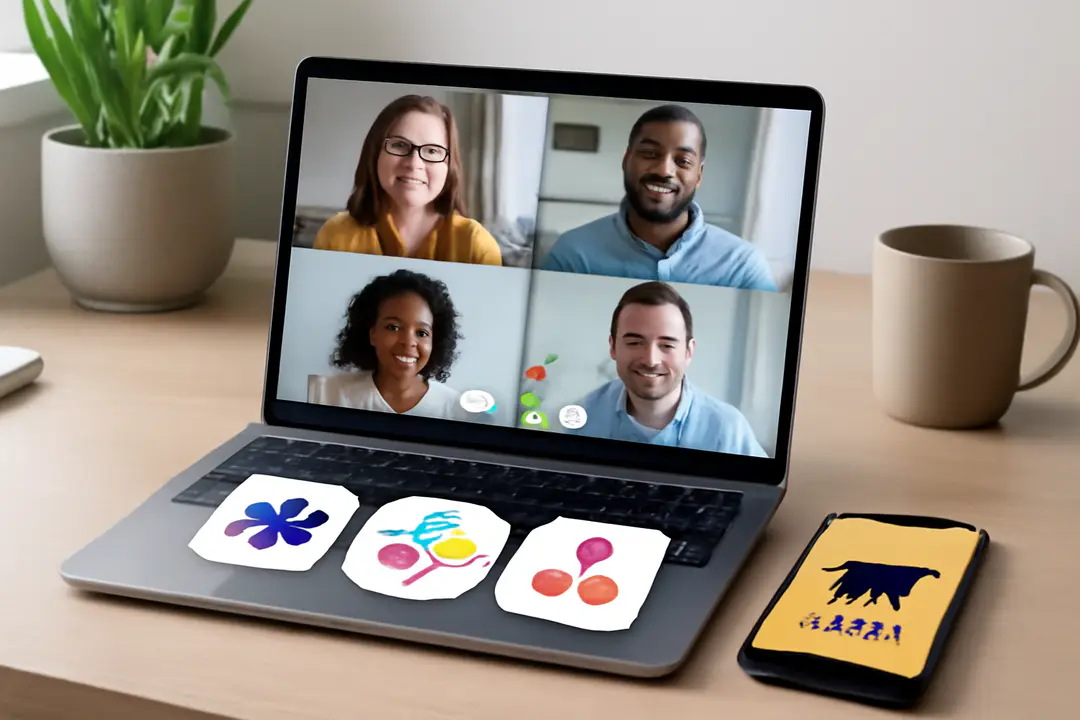
Here are five leading collaboration platforms many teams use:
- Microsoft Teams – integrated chat, video, and Office apps
- Slack – channels, bots, and third-party app support
- Miro – virtual whiteboard for brainstorming
- Zoom – high-quality video conferencing
- Asana – project tracking and task management
When picking tools, look for ease of use, mobile support, and strong integrations. Check whether your team can work offline and sync later. Also verify data security settings and admin controls.
To roll out new software smoothly, run a small pilot group first. Gather feedback, adjust settings, and document best practices. Finally, integrate with other systems—like calendars or file storage—to avoid switching between apps.
Many teams integrate automation tools to streamline repetitive tasks. Automations can assign tasks, update statuses, and send reminders without manual effort. Over time, this saves hours and reduces errors.
Security and Compliance
Remote work increases the attack surface for data breaches. Devices outside a corporate network can be less secure. It’s vital to enforce strong access controls and encryption. Compliance with industry standards also protects your company and clients. A clear policy keeps everyone on the same page.
Key frameworks to consider include ISO 27001, SOC 2, and GDPR. These set rules around data handling, storage, and incident response. Aligning with one of these standards shows your commitment to security.
Follow these top security tips:
- Use multi-factor authentication on all accounts
- Encrypt data at rest and in transit
- Apply regular software updates and patches
- Perform periodic vulnerability scans
- Train employees on phishing and safe browsing
Make security part of daily workflows. Embed checks into collaboration tools and require strong passwords. Regular audits and drills keep protocols fresh in everyone’s mind.
By combining best practices and automated checks, companies cut breach risks by up to 60%. Ongoing monitoring and clear incident plans help teams respond quickly if issues arise.
Virtual Culture and Engagement
Building a strong culture is harder when employees never meet in person. Teams miss hallway chats, watercooler jokes, and quick syncs. Without effort, engagement drops and people feel isolated. A virtual culture needs deliberate rituals and touchpoints. Leaders must create space for informal connection.
Start by scheduling short, optional social calls each week. These could be 15-minute coffee chats where no work talk is allowed. Rotate hosts so everyone takes a turn. You can also hold monthly all-hands with fun segments like employee spotlights.
Recognition is another powerful tool. Create a shared channel for shout-outs when someone goes above and beyond. Small rewards—like gift cards or virtual badges—signal that you see and value individual efforts.
Survey your team every quarter on engagement and culture. Ask about communication, meeting load, and social needs. Use the data to tweak your approach. Keep surveys short so participation stays high.
When people feel connected, productivity and retention improve. A strong virtual culture makes remote work feel less like tasks in isolation and more like a shared journey.
Managing Distributed Teams
Leading a team across different zones demands new habits. Without clear goals, work can drift and deliverables slip. Start each cycle with a planning meeting to set objectives and deadlines. Use shared roadmaps and transparent dashboards.

Establish a regular check-in cadence. Daily standups work for small teams, while larger groups may prefer weekly reviews. Keep updates brief and focused on progress, blockers, and next steps.
Measure success with objective metrics—like tasks closed, response times, and customer feedback. Share these metrics with the team so everyone knows how they contribute.
Consider a simple case study: a marketing group that switched to biweekly goal reviews and saw campaign delivery improve by 30%. This shows the impact of disciplined coordination.
One-on-one meetings remain vital. Block 30 minutes each week to discuss career goals, feedback, and well-being. These conversations build trust and keep remote employees engaged.
Well-being and Productivity
Remote work often blurs the line between home and office. Without clear breaks, people risk burnout. Encourage setting defined work hours and using “away” status when offline. Leaders should model this behavior.
Implement no-meeting days or blocks to let employees focus on deep work. This alone can increase productivity by up to 50%. Respect time zones to avoid scheduling calls at odd hours.
Offer resources for mental health, like counseling services or meditation apps. A simple stipend for ergonomic home office gear can reduce physical strain and stress.
Track productivity gains alongside well-being metrics. Use short weekly pulse surveys to monitor stress levels and workload balance. Adjust workloads if fatigue signs rise.
When teams feel rested and supported, they deliver higher quality work. Healthy employees are more creative, engaged, and loyal to the company.
Future Workforce Strategies
Looking ahead, many organizations adopt a remote-first mindset. This means designing systems and policies around distributed teams from day one. Offices become collaboration hubs rather than primary workspaces.
Hybrid models also gain traction. Employees split time between central offices and home. This provides choice and keeps people connected to company culture.
Companies are using AI to improve daily productivity. Intelligent tools can summarize meetings, prioritize emails, and surface key documents. This frees employees to focus on creative and strategic work.
Investing in continuous learning is essential. Offer micro-learning modules on new collaboration tools and soft skills. Encourage knowledge sharing through internal workshops and mentoring.
Ultimately, the most successful teams will blend technology with human insight. By staying agile and open to change, organizations can thrive in an ever-evolving remote landscape.
Conclusion
The future of remote work and digital collaboration hinges on embracing new tools, policies, and mindsets. Organizations that invest in secure platforms, strong culture, and clear management practices will lead the way.
Well-being must remain a top priority, with boundaries, breaks, and mental health support built into daily routines. Leaders should foster connections, celebrate small wins, and keep communication open.
As AI and automation reshape workflows, teams can offload routine tasks and focus on high-value work. A remote-first strategy, paired with hybrid flexibility, lets companies tap global talent and stay resilient.
By weaving technology, people, and purpose together, the next era of work becomes more productive, inclusive, and fulfilling. Now is the time to adopt these practices and lead your team confidently into the future.