Productivity Tips for Freelancers and Digital Nomads

According to Upwork’s Future Workforce report, over 59 million Americans freelanced in 2022, making up 36% of the U.S. workforce. This shows a massive shift toward flexible work outside traditional offices. Many have embraced digital nomadism, combining travel with income. But with freedom come challenges around focus, deadlines, and balance. Staying productive as a freelancer or digital nomad means combining clear routines, the right tools, and disciplined habits.
Working from coffee shops, co-working spaces, or beachside villas sounds ideal but can blur boundaries. You may juggle time zones, unreliable Wi-Fi, and isolation. Distractions lurk in every exotic backdrop and empty room. To thrive, you need strategies you actually use. Let’s dive into proven tips that help you stay on track, meet deadlines, and enjoy the journey.
Establish Daily Routine
Freelancers and nomads often face erratic schedules. Without a clear plan, work spills into personal time and vice versa. Start by blocking your day into focused sessions and breaks. Use simple time blocks like 50 minutes of work followed by a 10-minute break. This rhythm helps your mind reset and keeps energy levels steady.
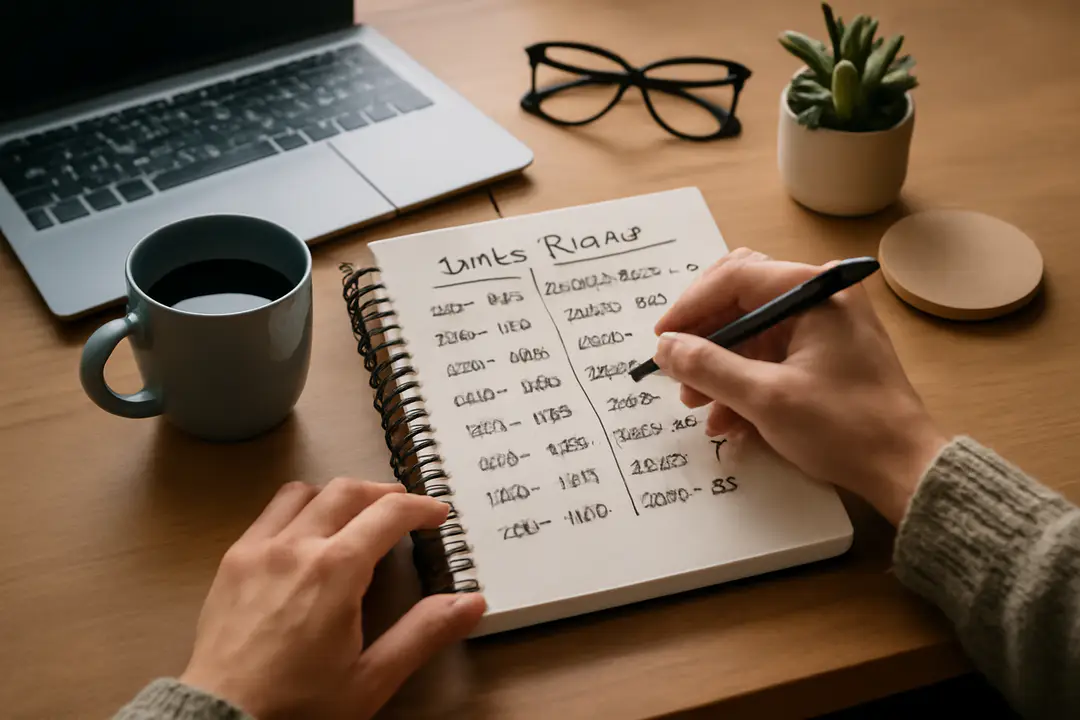
Plan your blocks around peak focus hours. If you think best in the morning, assign creative tasks then. Reserve afternoons for calls, client reviews, or admin. Write down your plan each night. A quick review sets you up mentally and prevents morning chaos.
Be realistic. Overloading your day kills motivation. Allow buffer time for unexpected tasks and tech hiccups. Having a reliable rhythm gives you structure while preserving the flexibility you love.
Design Your Workspace
Your workspace shapes how well you work. A crowded hotel room or loud café can drag focus down. Aim for a setup that supports comfort, ergonomics, and concentration. Even on the road, simple gear can transform any spot into a productive zone.
| Gear | Benefit | Tip |
|---|---|---|
| Portable Monitor | Dual-screen productivity | Choose 15.6″ models |
| Laptop Stand | Better posture | Lightweight aluminum |
| Noise-Canceling Headphones | Fewer audio distractions | Over-ear for long use |
| Bluetooth Keyboard | Comfort typing | Compact layout |
Carry only what fits your style and bag. Set up quickly so you can start work fast. A consistent spot, even if temporary, triggers focus. Take a minute to adjust height, lighting, and back support before diving in. Small tweaks make long work hours easier on your body.
Choose Productivity Tools
Tools help you work smarter, not harder. As a freelancer or digital nomad, you need apps that sync across devices and work offline when needed. The right mix can save hours each week.
- Toggl Track: Simple time tracking with reports.
- Trello: Visual boards for task management.
- Notion: All-in-one workspace for notes and docs.
- RescueTime: Automatic focus analytics.
- Zoom: Reliable calls with clients globally.
Balance features and ease of use. Too many tools can overwhelm you. Start with one tracking app and one project board. Over time, layer in extras like automation or integrations. And remember, a tool is only as good as your habit of using it.
For deeper insights on planning and logging hours, check robust time management tools. They can guide you in selecting the right fit for your workflow.
Manage Distractions
Freedom comes with its own set of distractions. Beach sunsets, local festivals, or family visits can pull you away from tasks. Without boundaries, these moments turn into time sinks.
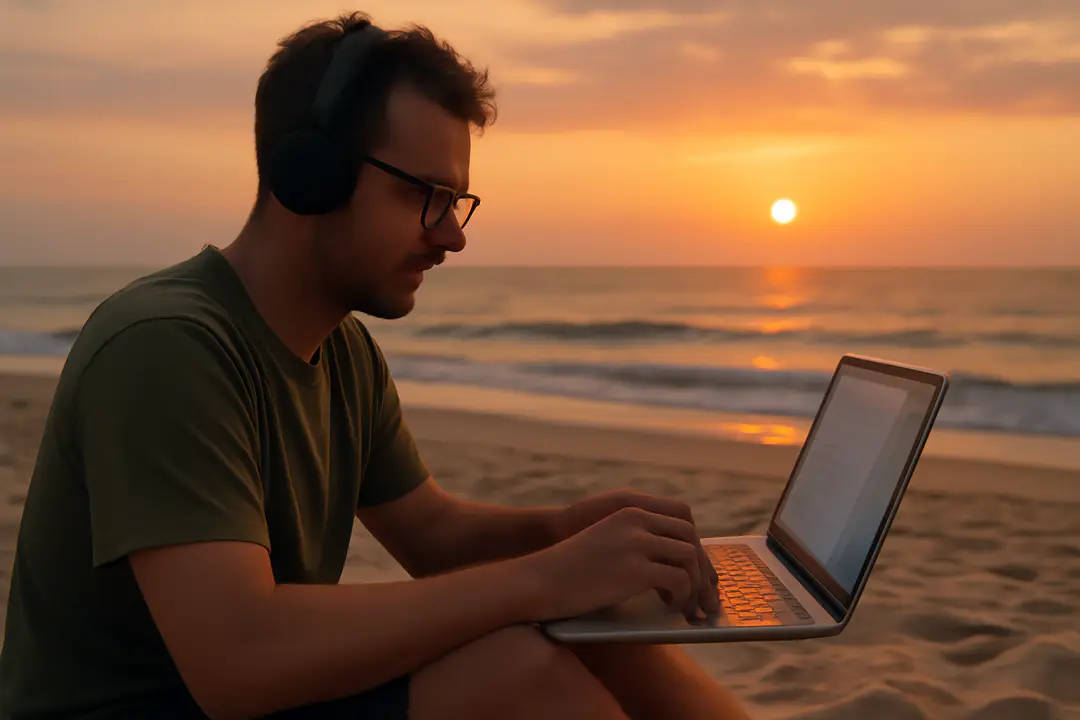
Set clear work hours with those around you. Use status messages in your chat tools to signal focus blocks. If noise is an issue, time your sessions around quieter hours or use ambient sound playlists. Apps like Forest can gamify focus by growing virtual trees.
When the lines between work and leisure blur, ideas from the future of remote collaboration can help. Combining scheduled check-ins and asynchronous updates keeps your own workflow transparent. Even solo, you can apply this by updating yourself at the end of each block and planning the next.
Finally, guard your breaks. True rest means stepping away from screens. A short walk or quick stretch resets your mind better than scrolling social media. Treat break time as important work time for recharging.
Prioritize Health Habits
Your body and mind are your biggest assets on the road. Skipping meals, sleeping odd hours, or sitting too long can derail productivity fast. A few simple habits keep you energized and focused.
Move daily. Even a 10-minute stretch can reduce tension from long typing sessions. Drink water regularly. Staying hydrated improves concentration. Plan meals or carry snacks to avoid unhealthy fast-food pit stops.
Sleep with consistency. Use eye masks and white noise apps to block out unfamiliar sounds. Simple daily routines around movement and mindfulness contribute to better work-life balance, as covered in habits to improve work-life balance.
Mindfulness practices like brief meditation or journaling help manage stress. Just five deep breaths between tasks can reset focus and calm mental chatter. Treat these moments as critical parts of your workday.
Keep Learning and Networking
Even lone freelancers need community and growth. Connecting with peers and learning new skills keeps you competitive and inspired. Look for local meetups, online forums, and skill-sharing platforms.
Spend time each week on learning. Online courses, tutorials, or podcasts can spark fresh ideas. Allocate one session to industry news and trends. This ensures you stay relevant in a fast-changing market.
Networking can be informal. Share your challenges and successes on social media or in group chats. Offer help or feedback to peers. These exchanges build goodwill and can lead to new opportunities.
Finally, reflect on your wins and losses. A quarterly review helps you adjust your plan and tools. By learning from experience and staying connected, you turn solo work into a sustainable journey.
Conclusion
Balancing flexibility and focus is the heart of productive freelancing and digital nomad life. By establishing routines, designing a supportive workspace, and choosing the right tools, you build a reliable foundation anywhere in the world. Managing distractions takes clear boundaries and purposeful breaks. Prioritizing health ensures your mind and body stay sharp. Continuing to learn and network keeps you adaptable and motivated.
Each tip works best when you tailor it to your personal style and goals. Experiment with time blocks, test different apps, and tweak your setup until it feels effortless. Keep a quick journal or log to track what helps you deliver better results with less stress. That small habit of reflection can guide your ongoing improvements.
Ultimately, the real magic of freelancing and nomad life is in the journey. Productivity strategies are not about rigid schedules or endless task lists. They are about freeing your mind to solve problems, explore new places, and connect with inspiring people. Use these tips as a starting point, and let your own experiences shape a productive life that feels as adventurous as you are.