Smart Home Gadgets that Make Your Life Easier
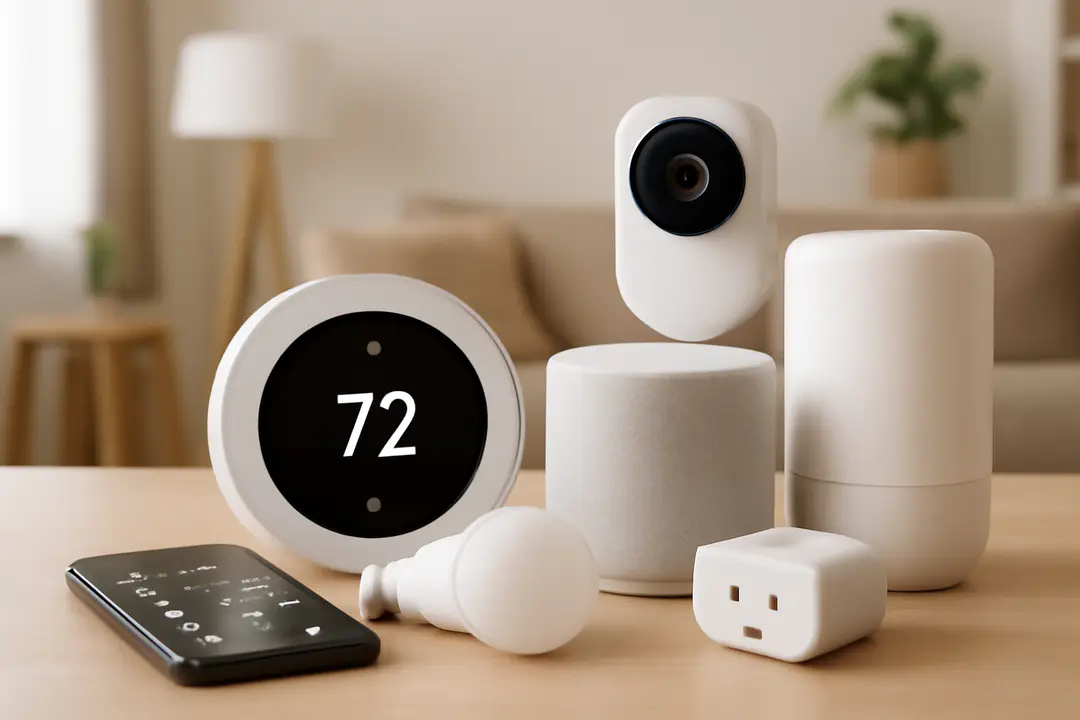
According to Grand View Research, the global smart home market size was valued at USD 80.21 billion in 2021 (Grand View Research).
Smart home devices are no longer a luxury—they tackle everyday problems like energy waste, security gaps, and tedious chores. From lights that follow your mood to locks you talk to, these gadgets simplify routines and add peace of mind. Smart home gadgets streamline daily tasks, boost security, and enhance comfort through automation and connectivity.
Smart Lighting
Traditional light switches force you to get up at night or fumble for dimmers. Smart lighting systems solve this with remote controls or schedules. You can set lights to gently brighten at dawn, flash when someone rings the doorbell, or sync with your favorite music. The Philips Hue line, for example, offers over 16 million colors and integrates with Alexa and Google Assistant.
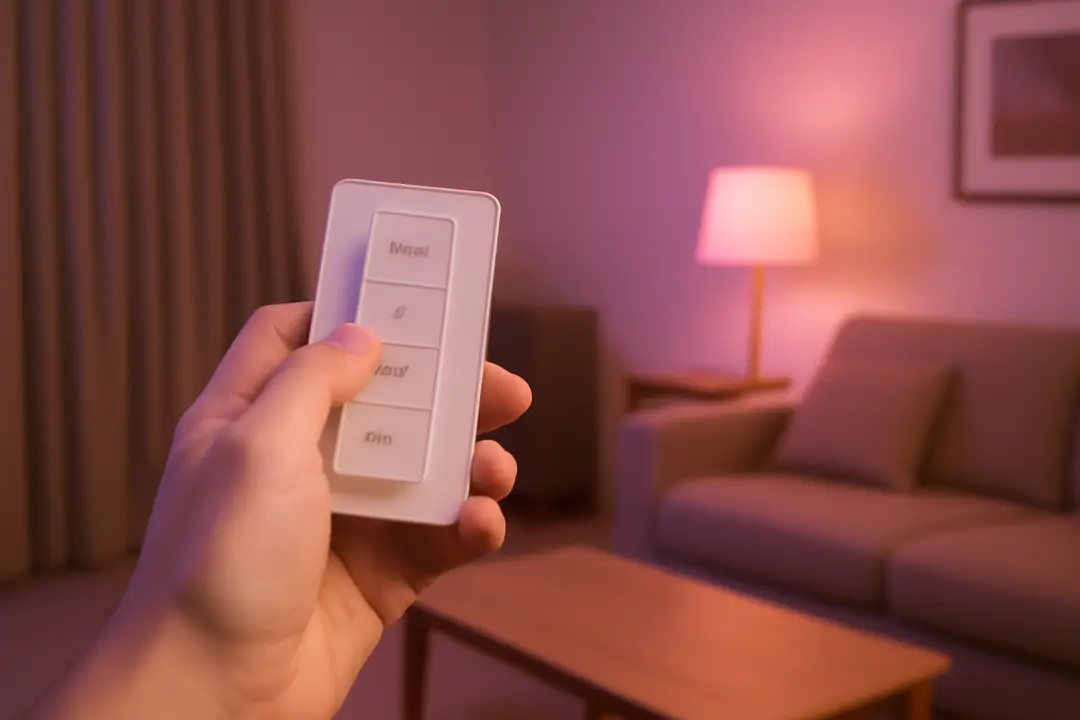
Practical tip: Create sunrise and sunset routines to match natural daylight. This helps regulate your sleep cycle and can even improve your mood.
Many systems also track energy use. You’ll see dashboards showing how long each bulb was on. Cutting just one hour of daily use per bulb can save up to 15 kWh a year. Multiply that by five bulbs in your living room, and you’ll slash your electric bill by about $15 annually.
Ready-made smart bulbs work with existing fixtures, while smart switches replace wall plates for full-home control. Choose bulbs if you rent. Opt for switches if you own and want entire-room automation.
Voice Assistants
Talking to your home isn’t science fiction anymore. Voice assistants like Amazon Echo or Google Nest let you call up weather, play tunes, or adjust the thermostat. You simply say commands—no apps or remotes needed.
These hubs run on advanced AI-driven voice recognition. They learn your speech patterns and context over time. This makes tasks like setting timers or adding items to a grocery list faster and hands-free.
For content creators or anyone wanting clear audio feedback, integrating AI-powered text-to-speech tools adds natural voices to announcements or routines. Imagine your doorbell announcing visitors in a friendly tone you choose.
Practical tip: Group devices by room. Saying “Hey Google, movie time” can dim lights, close blinds, and turn on the soundbar all at once. Use routines to string actions together.
Always set up voice recognition for multiple users. This ensures personalized responses—your kids won’t accidentally order products if they say “buy.”
Climate Control
Heating and cooling make up nearly half of a home’s energy costs. Smart thermostats like Nest or Ecobee tackle this by learning your schedule. They adjust temperatures when you’re away and warm up or cool down right before you return.
Installation is straightforward. Remove your old thermostat, mount the new one, and follow the app’s wiring guide. In minutes, your system connects to Wi-Fi and begins tracking preferences.
These devices also offer energy reports. You’ll see how usage spikes on hot afternoons or cold mornings. In many cases, users save 10–15% on HVAC bills in the first year.
Pro tip: Use geo-fencing. Your phone’s location tells the system when you leave or come back. It keeps comfort high when you’re home and energy loss low when you’re not.
Pair your thermostat with smart vents for room-by-room control. This avoids heating empty spaces and balances airflow smartly.
Security Devices
Home security has gone digital. Smart cameras, doorbells, and locks give you complete visibility from anywhere. You get real-time alerts on your phone when motion is detected or a package is dropped off.
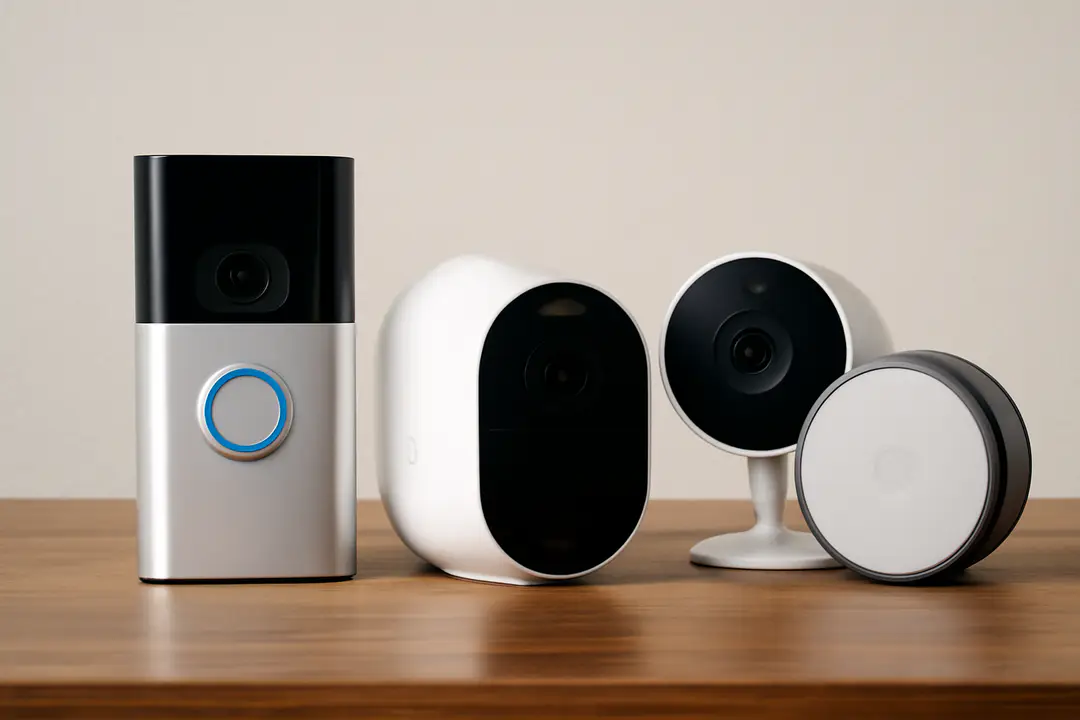
Here are top picks with key features:
- Ring Video Doorbell 4: 1080p video, pre-roll technology, dual-band Wi-Fi.
- Arlo Pro 4: Wire-free, color night vision, 2K HDR recording.
- August Smart Lock Pro: Auto-lock/unlock, DoorSense technology, HomeKit support.
- Google Nest Cam (battery): Intelligent alerts, facial recognition, two-way talk.
- SimpliSafe Outdoor Camera: Wireless, weatherproof, 1080p HD.
Practical tip: Position cameras at entry points about 7–8 feet high. This view catches faces clearly without distortion. Adjust motion zones to ignore street traffic and focus on pathways or the front door.
Kitchen Helpers
Cooking and cleaning can eat up time and energy. Smart kitchen gadgets tackle these chores. Devices like the Instant Pot Duo Nova connect to your phone. You start slow-cooking or pressure-cooking with a tap, even when you’re at work.
Here’s a quick list of must-haves:
- Smart Instant Pot: App recipes, voice control, step-by-step guidance.
- Wi-Fi Air Fryers: Remote start, real-time alerts, custom presets.
- Smart Coffee Makers: Schedule brews, adjust strength, integrate with Alexa.
- Robotic Vacuums: Auto-docking, no-go zones, voice commands.
- Connected Dishwashers: Status alerts, remote start, efficiency reports.
Tip: Preload cleaning cycles on your dishwasher or robot vacuum in the evening. You’ll wake up to a spotless kitchen without lifting a finger.
Easy Accessibility
Smart homes empower everyone. From seniors to people with mobility challenges, voice and automation remove barriers. Doors can unlock at a command. Lights switch on without reaching. Thermostats adjust hands-free.
Text-to-speech is key for visual impairments. Devices can read alerts, notifications, or even recipe steps aloud. Integrating natural-sounding speech makes the experience seamless and warm.
Pro tip: Use geolocation alerts for loved ones. Get notified when a family member with special needs arrives home or leaves a safe zone.
Smart plugs are a low-cost entry point. Pair them with voice commands and you can turn any lamp, TV, or heater on or off at will.
These tools don’t just add convenience—they offer independence. With a few devices, you build a home that listens, adapts, and cares.
Conclusion
Embracing smart home gadgets means more than flashing lights or voice responses. It means smoother mornings, safer nights, and extra time for what truly matters. Each device, from thermostats to robotic vacuums, solves a small hassle that adds up over days and weeks. When you automate mundane tasks, your home becomes a partner, anticipating needs and reducing stress.
Start small: swap a bulb or install a smart plug. Build routines that fit your lifestyle. Test one smart lock or voice assistant, then expand only where you see clear benefits. Combining devices under a single platform—like Alexa, Google Home, or Apple HomeKit—ensures they work together without friction. This unified approach turns a collection of gadgets into a cohesive system.
By leaning on technology for lighting, climate, security, and kitchen chores, you’ll reclaim hours each week. More than convenience, these tools deliver peace of mind, energy savings, and a truly responsive living space. Your home can be clever, but it starts with one smart choice.