Speech Synthesis: The Future of Communication Excellence
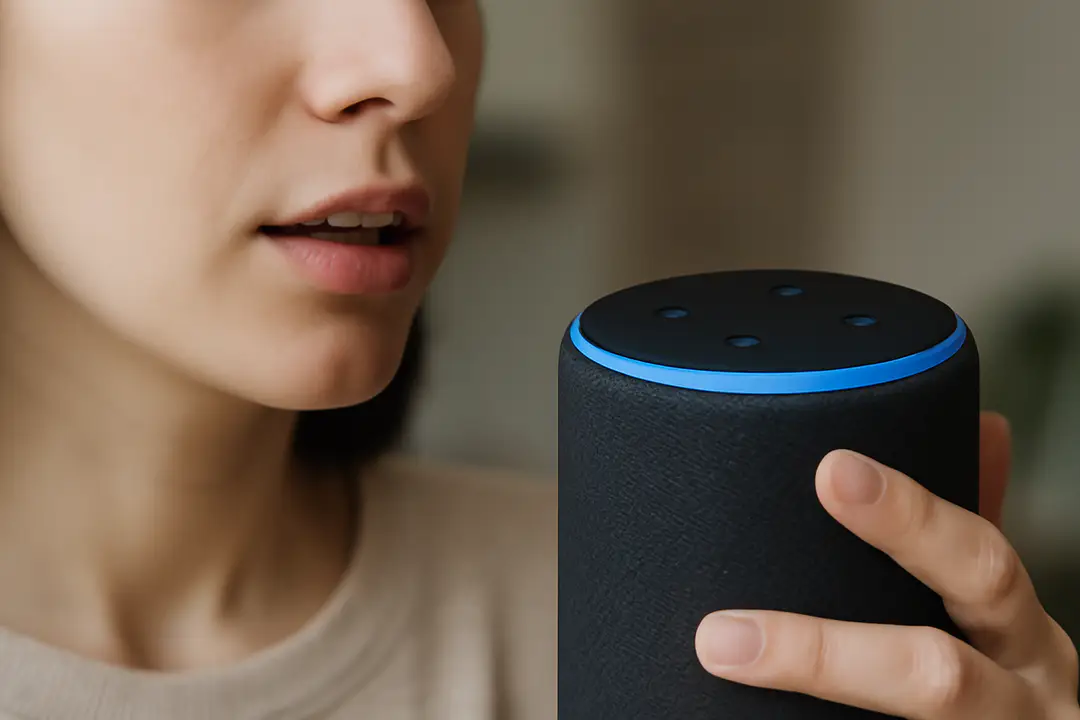
According to Grand View Research, the global text-to-speech market was valued at USD 1.81 billion in 2020. This rapid growth shows how machines are learning to speak more like us. Developers now use deep learning to create voices that sound warm, emotional, and human. From virtual assistants to audiobooks, TTS is everywhere.
Speech synthesis is revolutionizing the way we communicate by making digital voices more natural, accessible, and versatile.
How It Works
At its core, speech synthesis converts text into audio. Early systems used concatenation. They stitched recorded sound bites together. Now, neural networks generate waveforms in real time. They analyze text, predict phonemes, and craft smooth, clear speech.
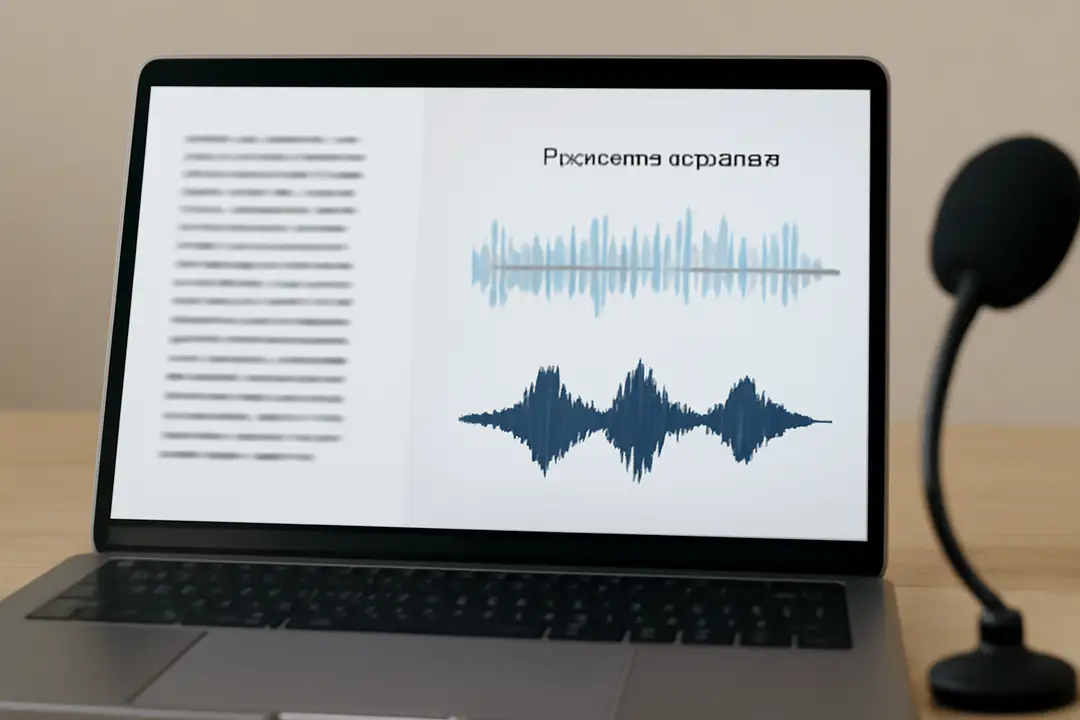
These systems use two key steps. First, text is processed. That means breaking it into words, phrases, and phonemes. Then, a vocoder turns digital signals into sound waves. Modern vocoders sound almost indistinguishable from real human speech.
Developers can tune voice parameters. They adjust pitch, speed, and emotion. This makes each voice unique. You might even add a local accent or personality. That boosts listener engagement and keeps your content fresh.
Tip: When choosing a TTS engine, test sample sentences that match your domain. If you need clear technical terms, use engines fine-tuned for clarity. For storytelling, pick a voice with richer prosody. Always compare demos before you commit.
Industry Benefits
Across sectors, speech synthesis is unlocking new value. In customer service, bots now handle simple inquiries by talking naturally. They reduce wait times and let human agents focus on complex issues. In education, audiobooks and e-learning platforms use TTS to scale content instantly.
Healthcare providers use TTS to remind patients about medications. They send friendly voice alerts to improve adherence. Media companies automate voiceovers for news articles, saving hours of studio time. Manufacturing teams streamline safety briefings with on-demand audio guides.
Automation is reshaping businesses through constant, reliable voice interactions. Many teams adopt automation trends to boost customer engagement at scale. As operations become more voice-driven, companies see faster response times and lower costs.
Tip: Start small. Pick one routine task your team handles by phone or chat. Replace it with a text-to-speech solution. Measure response times and customer satisfaction. Gradually expand to more use cases based on real data.
Boosting Accessibility
Speech synthesis is fundamental for people with visual or reading impairments. Screen readers rely on TTS to read websites, documents, and apps aloud. Learners with dyslexia or low literacy also benefit from hearing text instead of decoding it.
Beyond disabilities, busy users prefer listening. Commuters catch up on articles. Drivers hear directions. Folks with temporary injuries rely on hands-free audio. TTS turns written content into inclusive experiences.
Modern tools let you fine-tune pronunciation and emphasis. That ensures unusual names and terms sound correct. Developers can add custom dictionaries and phoneme overrides. This elevates clarity for technical, medical, or niche content.
Tip: For any public website or app, enable a “listen” button beside long texts. It takes minutes to integrate and broadens your audience. Check out advanced accessibility tools that support multiple languages and accents.
Branding with Voices
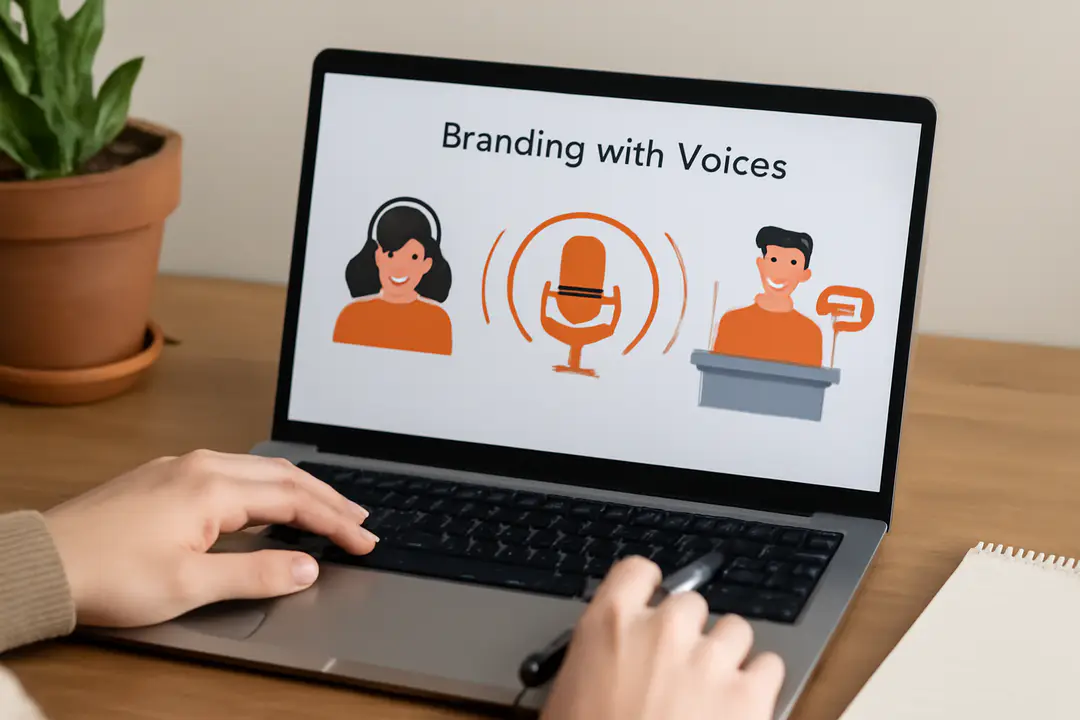
Companies now see branded voices as a key asset. Just like logos and colors, a signature voice conveys personality. It can be a friendly chatbot, a calm guide, or an energetic announcer. Custom voices help you stand out in a crowded market.
Here are popular platforms for building or licensing voices:
- Amazon Polly – dynamic, multilingual options
- Google Cloud Text-to-Speech – neural networks with WaveNet
- Microsoft Azure TTS – customizable styles and emotions
- IBM Watson – easy SSML support and fine-tuning
- Descript Overdub – clone voices from minutes of audio
Each service offers trial tiers. Record a few lines, test them in your app, and see which aligns with your tone. Some let you upload brand guidelines or scripts for AI-driven style matching.
Tip: Use a consistent voice across channels—website, phone, app, and ads. This sync builds trust and recognition. Update your voice personas periodically to reflect brand evolution.
Everyday Integration
Speech synthesis is no longer just for big enterprises. Startups and individuals embed it in daily routines. Smart home gadgets read shopping lists and weather forecasts aloud. Hands-free TTS helps cooks follow recipes without touching screens.
Content creators use it to draft video voiceovers or draft podcast scripts. They save time on recording and focus on editing. Educators mix TTS with live teaching to offer on-demand audio lessons.
Travelers rely on TTS apps to read menus or signs in foreign languages. Language learners practice pronunciation with live feedback. Even drivers use to-go directions that sound natural and adapt to traffic changes.
Tip: Add TTS to your browser via simple extensions. In minutes, any webpage can speak. Experiment with voice speed and pitch until it fits your listening style. You’ll be surprised how much you absorb by listening.
Challenges and Ethics
Despite its promise, speech synthesis faces hurdles. Deepfake voices can mislead audiences or spoof identities. Poorly tuned models still sound robotic when handling complex phrasing. Privacy concerns arise when systems log spoken data.
Companies must guard against bias. Training data often skews toward certain accents or languages. That leaves underrepresented groups with lower-quality voices. Regulation around voice AI is also lagging.
Below is a quick view of key challenges and how to address them:
| Challenge | Mitigation |
|---|---|
| Deepfake misuse | Watermark synthesized audio; verify sources |
| Accent bias | Include diverse voice samples in training |
| Privacy risks | Encrypt voice data; anonymize recordings |
| Quality gaps | Regularly update models; use user feedback |
Tip: Always inform users that audio is AI-generated. Transparency builds trust and sets clear expectations.
Looking Ahead
The next wave will blend TTS with emotion detection. Imagine voices that sense user mood and adapt tone instantly. Real-time translation with natural voices will break down language barriers.
We’ll see tighter integrations in AR/VR, making virtual characters truly interactive. Personalized voices might narrate news based on your habits. Enterprise systems will automate training and compliance with humanlike guides.
For small teams, new open-source models will lower costs. Hobbyists will create voice apps for games and social media. As AI ethics mature, we’ll have frameworks to ensure safe and fair use.
Tip: Stay curious. Try open-beta platforms and join developer forums. The field evolves fast, and early adopters shape the best practices of tomorrow.